

Helpinstill Designs Issues Technical Guide to Acoustic Piano Amplification for Live Performances
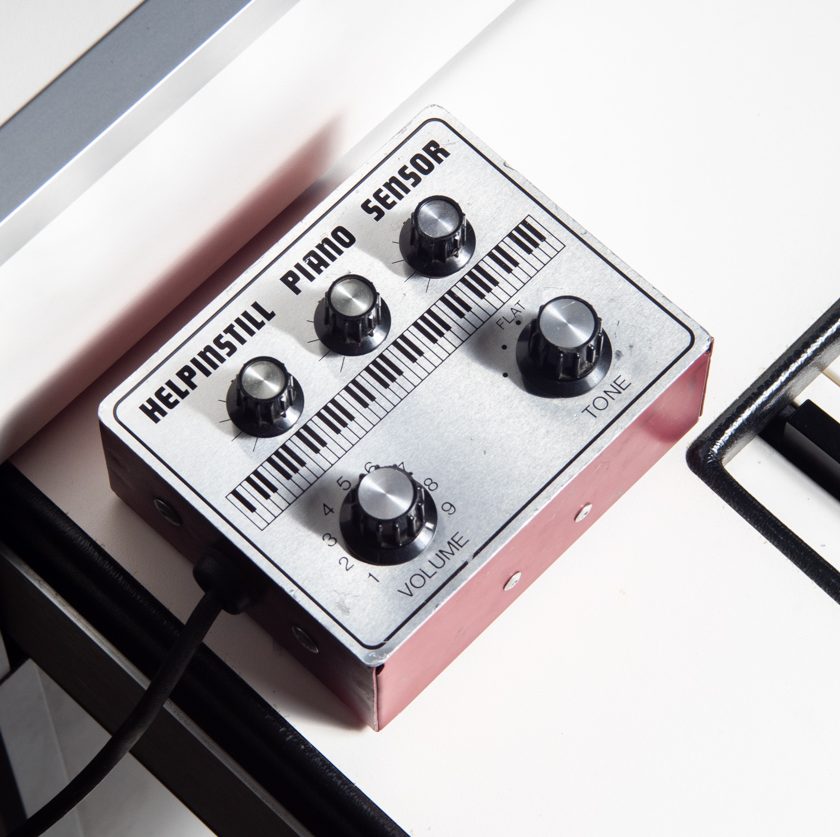
Helpinstill Piano Sensor
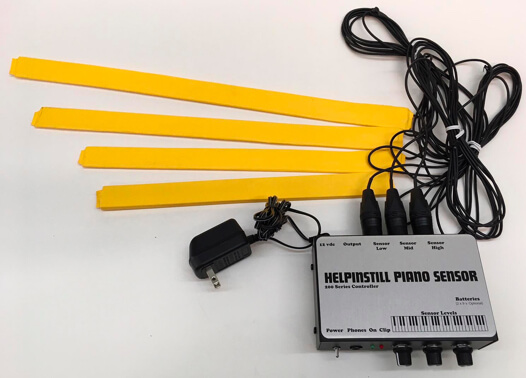
Helpinstill Upright Piano System
Helpinstill Piano Sensor™ gives live performers a clear, isolated piano signal without the feedback, bleed, and stage noise common with microphones.
Looking for a Live Piano Microphone? What You Really Need Is the Helpinstill Piano Sensor™ - The Biggest Mistake You Could Make Micing Your Piano in a Live Environment is to Use a Microphone!”
HOUSTON, TX, UNITED STATES, July 13, 2026 /EINPresswire.com/ -- The new educational overview examines microphones, magnetic piano sensors, stage isolation and other factors involved in amplifying acoustic pianos.— Ezra Charles Helpinstill
Helpinstill Designs has issued an educational guide examining the methods used to amplify acoustic pianos during concerts, worship services, theater productions and other live performances. Piano sensor technology provides an alternative method for capturing acoustic piano sound in concerts, churches, theaters, and other live settings.
The guide addresses a common challenge faced by musicians and audio professionals: incorporating an acoustic piano into a sound system while several instruments, speakers and stage monitors are operating in the same space.
Traditional piano microphones capture sound traveling through the air. Depending on their position, microphones placed near or inside a piano may also capture drums, amplifiers, monitors, vocals and sound reflected throughout the venue.
This additional sound is commonly known as microphone bleed. Its effect can vary based on stage volume, room acoustics, microphone selection, microphone placement and the position of the piano lid.
The Helpinstill guide compares microphone-based amplification with magnetic piano sensing, a method that detects the movement of piano strings rather than relying on airborne sound.
Understanding Magnetic Piano Sensing
A microphone converts changes in air pressure into an electrical signal. A magnetic piano sensor detects movement within the piano’s strings and converts that movement into a signal that can be sent to a mixing console, amplifier, recording system or stage monitor.
Because the two methods gather sound differently, each produces a different type of signal for the audio engineer to manage.
Microphones may be selected when the production calls for the acoustic sound of the instrument and the surrounding room. Magnetic sensing may be considered in settings where separation between the piano and nearby instruments is an important part of the sound plan.
Some productions combine both methods. A magnetic sensor can provide a direct piano channel, while microphones capture the sound of the piano within the room.
Factors That Affect Live Piano Amplification
The guide identifies several factors that musicians, venue managers and audio engineers may consider when planning an acoustic piano setup:
The type and size of the piano
The number of instruments sharing the stage
The location of speakers and stage monitors
The overall stage volume
The acoustics of the room
The position of the piano lid
Requirements for recording or livestreaming
The number of available mixer channels
The amount of setup time available
No single amplification method is appropriate for every performance. The setup depends on the instrument, venue, production requirements and intended sound.
Applications in Modern Performance Settings
Live productions increasingly require individual audio channels for the main sound system, performer monitors, livestreams and multitrack recordings.
Churches may use an acoustic piano alongside drums, electric guitars, keyboards and multiple vocalists. Theaters may need to manage the piano separately for the audience mix, backstage monitors and recorded production. Touring performers may also encounter different pianos and sound systems at each venue.
An isolated piano signal can provide another option for managing these production requirements. Audio engineers can then apply equalization, level adjustments, compression or effects based on the needs of the performance.
More Than 50 Years of Piano Sensor Development
Inventor and electrical engineer Ezra Charles Helpinstill developed the original Helpinstill Piano Sensor after encountering difficulty using an acoustic piano in a full band.
The first system was built for his own performances. That unit was later purchased and used on tour by Elton John in 1972.
Helpinstill Designs later produced systems for touring musicians, concert venues and other live sound applications. Production resumed in 2001 as churches, touring performers and audio professionals sought updated systems for acoustic piano amplification.
Current Helpinstill Piano Sensor™ configurations are available for grand and upright pianos. Different models support mono, stereo, balanced-line and other sound system arrangements.
The full educational overview and additional information about magnetic piano sensing are available at Helpinstill.com.
About Helpinstill Designs
Helpinstill Designs develops magnetic sensing systems for acoustic pianos. The original Helpinstill Piano Sensor was introduced in 1972 for use in amplified live performances. The Houston-based company produces systems for grand and upright pianos used in concerts, churches, theaters, educational facilities, recording environments and touring productions.
About Helpinstill Designs
Helpinstill Designs manufactures magnetic sensing systems for acoustic pianos. The Helpinstill Piano Sensor™ was first introduced in 1972 and is designed for use with grand and upright pianos in live performance, recording, broadcast, church, theater, school, and touring environments. The company is based in Houston, Texas.
Ezra Charles Helpinstill
Helpinstill Designs
+1 713-432-1089
email us here
Visit us on social media:
YouTube
Helpinstill Piano System Installation
Legal Disclaimer:
EIN Presswire provides this news content "as is" without warranty of any kind. We do not accept any responsibility or liability for the accuracy, content, images, videos, licenses, completeness, legality, or reliability of the information contained in this article. If you have any complaints or copyright issues related to this article, kindly contact the author above.
